Android Trends Transforming Mobile Technology

Android
Smartphones have quietly transformed from simple communication tools into powerful digital companions that influence how people work, connect, and live. Every year, mobile technology evolves at an astonishing pace, bringing smarter interfaces, faster processors, and new forms of connectivity that shape everyday habits. Whether you realize it or not, the smartphone in your hand already performs tasks that once required an entire computer system.
Today, the conversation about android technology trends has become central to understanding the future of mobile innovation. This evolving Android landscape reflects how artificial intelligence, cloud computing, and intelligent device ecosystems are redefining the way users interact with technology across the globe. If you look closely, many of the most exciting digital breakthroughs, especially in smartphones, are happening within the Android platform.
Evolution of Android Mobile Features
The Android platform continues to push the boundaries of what mobile devices can achieve. New system updates and hardware integrations are not just about visual improvements, they reshape how users experience performance, intelligence, and usability. From intuitive interfaces to energy-efficient processors, Android smartphones are designed to adapt to modern digital lifestyles.
Behind many of these improvements lies the rise of mobile android innovations, where developers and manufacturers collaborate to create features that anticipate user needs, streamline daily tasks, and enhance mobile productivity.
Advanced mobile user interfaces
Modern Android devices now emphasize user-centered design. Interfaces have evolved beyond simple app grids and menus into fluid environments that respond to gestures, behavior patterns, and accessibility preferences. Features like adaptive themes, contextual notifications, and gesture-based navigation systems make smartphones feel more natural and intuitive. Instead of forcing users to adjust to technology, Android increasingly adjusts itself to the user. This approach allows people of all ages to navigate complex digital functions with minimal effort.
AI powered smartphone features
Artificial intelligence has become one of the most transformative elements in Android development. Machine learning algorithms now power voice assistants, camera optimization systems, and predictive typing tools.
For instance, many Android smartphones analyze user behavior to anticipate actions, recommend apps, and manage system resources intelligently. Technology analyst Benedict Evans once explained that “smartphones are becoming the remote control for modern life,” highlighting how deeply integrated these devices have become in everyday routines.
Enhanced performance and battery optimization
Performance improvements remain a cornerstone of Android development. New processors, combined with intelligent software optimization, allow smartphones to handle demanding tasks like gaming, video editing, and multitasking without draining the battery excessively.
Android’s adaptive battery systems study usage habits and prioritize energy for frequently used apps. The result is a smoother user experience that feels both powerful and efficient, even during long hours of device usage.
Android Ecosystem Expansion
The influence of Android now extends far beyond smartphones. The platform has gradually evolved into a comprehensive digital ecosystem that connects homes, wearables, vehicles, and computers. This interconnected environment allows users to move between devices effortlessly while maintaining a consistent digital experience. One of the most fascinating aspects of this ecosystem is how smartphones act as the central hub connecting multiple technologies.
Integration with smart home devices
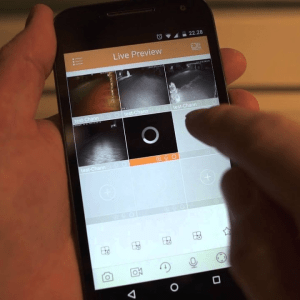
Smart homes are becoming more common, and Android plays a crucial role in making them accessible. Many Android devices can now control lighting systems, security cameras, thermostats, and entertainment devices directly from a single interface.
Through smart home applications and voice commands, users can automate daily routines such as turning off lights, adjusting room temperature, or checking security cameras remotely. These capabilities turn ordinary homes into intelligent living environments.
Android in wearable technology
Wearable devices such as smartwatches and fitness trackers increasingly rely on Android-based systems. These devices monitor physical activity, heart rate, sleep patterns, and even stress levels. By synchronizing with smartphones, wearables provide deeper insights into personal health and lifestyle habits. Technology researcher Carolina Milanesi once noted that wearable devices represent “the next layer of personal computing,” emphasizing how these tools extend the capabilities of smartphones into daily life.
Cross device connectivity and synchronization
Another important development is the seamless connection between Android devices. Users can start a task on their smartphone and continue it on a tablet or laptop without interruption. This synchronization is powered by cloud technology that keeps files, messages, and notifications consistent across multiple devices. For students, professionals, and creators, this level of connectivity significantly improves productivity.
Mobile App Innovation on Android
Applications remain the heart of the Android experience. While hardware improvements attract attention, it is the creativity of app developers that truly expands the possibilities of mobile devices. Android’s open development environment encourages experimentation, allowing developers to introduce features that push the boundaries of mobile functionality.
AI driven mobile applications
Artificial intelligence has dramatically reshaped mobile apps. Today, many Android applications analyze user preferences to deliver personalized recommendations, automate repetitive tasks, and improve decision-making. From photo editing tools that enhance images automatically to productivity apps that organize schedules intelligently, AI-driven apps demonstrate how software can adapt to human behavior.
Cloud connected mobile services
Cloud connectivity has also revolutionized Android applications. Instead of storing information locally, many apps now rely on secure cloud servers that allow users to access data anywhere. This approach enables real-time collaboration, instant file sharing, and seamless synchronization across devices. Whether editing documents, managing projects, or storing photos, cloud-connected services make mobile workflows significantly more flexible.
Security improvements in mobile apps
Security remains a critical priority in the Android ecosystem. Modern Android systems incorporate advanced protection mechanisms such as biometric authentication, encrypted communication, and secure application environments. These safeguards ensure that personal information remains protected even as mobile devices handle increasingly sensitive tasks such as banking, digital identity verification, and private communication.
Discover the Android Trends Transforming Mobile Technology
When you step back and observe the broader picture, it becomes clear that Android is no longer just an operating system. It is a powerful technological framework shaping the future of digital interaction. The most exciting part is that these innovations continue evolving. Artificial intelligence, connected ecosystems, and smarter applications are only the beginning.
As smartphones become more capable, they increasingly act as personal digital assistants that anticipate needs and simplify everyday life. Understanding these changes allows readers to see smartphones not merely as gadgets but as gateways to an expanding technological universe. And as the Android ecosystem continues to grow, staying curious about emerging mobile capabilities may be the smartest move any tech user can make.